James Hardie Home Addition Contractor in Ventura: What to Know First
Adding onto a Ventura home wrapped in James Hardie siding or trim isn’t the same as a standard addition. We’re an independent James Hardie service provider, not an authorized dealer, and we handle the contractor side: matching new HardiePlank lap siding to existing courses, tying HardieTrim corners into new bump-outs cleanly, and making sure the sheathing and flashing under it will actually keep coastal moisture out. Most home additions in Ventura with James Hardie materials run 6 to 14 weeks from permit to final coat, and the honest price posture is simple: you get a written price before we start, and that number doesn’t move. This page is for homeowners adding a room, a second story, a bump-out, or a sunroom to a home already clad in James Hardie products. Call (831) 230-7250 and we’ll tell you what the addition costs on your specific house.
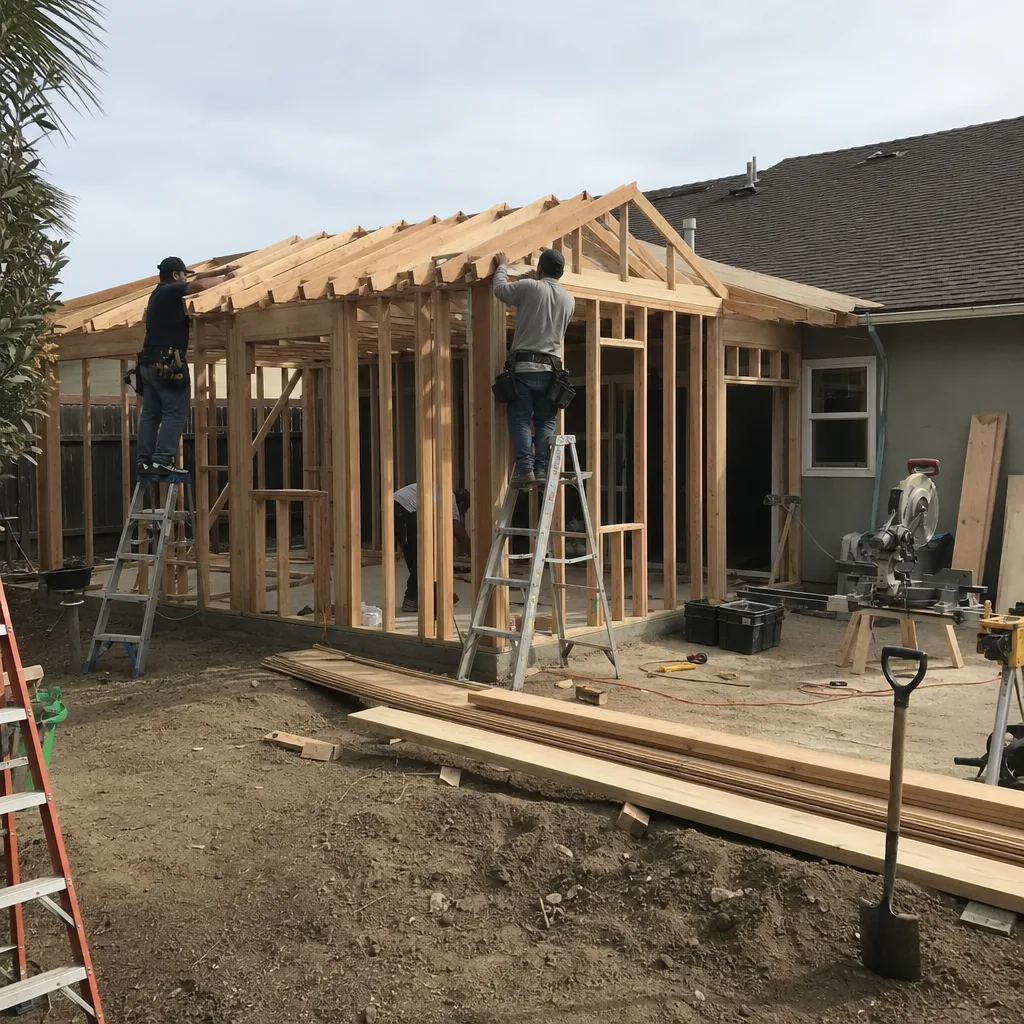
How James Hardie Products Fail – and How We Fix Them
We’ve been called out to enough Ventura additions and remodels to know exactly where James Hardie installations go wrong. Here’s what we see most, and what we do about it.
- HardiePlank butt joints that open up after settlement. Fiber cement doesn’t expand and contract like wood, but the house frame underneath it does. When a new addition settles, HardiePlank boards pull apart at the seams, especially along the top plate where old framing meets new. We pull the affected boards, re-flash the joint, and install new boards with the proper 1/8-inch gap and a backer rod behind caulk rated for fiber cement. This shows up a lot on second-story additions in Ventura’s older neighborhoods like Midtown and College Area, where the existing framing has decades of movement already in it.
- HardieTrim corners that crack at the miter. HardieTrim boards are thick and dense, which means a mitered outside corner is rigid. When the addition’s framing dries out after construction, the corner opens up and the trim splits, usually within the first two years. The fix is replacing the mitered corner with a two-piece overlap joint, which lets each board move independently. We’ve seen this on sunroom additions in East Ventura, where afternoon heat loads on west-facing corners are brutal.
- Water wicking behind HardieBacker used as exterior sheathing on bump-outs. HardieBacker is a tile backer board, not an exterior weather barrier. When a previous contractor used it on a bump-out addition because “cement board is cement board,” the board wicks ground splash and capillary moisture straight into the wall cavity. We pull it, install proper OSB or plywood sheathing with a real WRB, and re-clad with HardiePlank. If you have a bump-out that smells musty or paint bubbling at the bottom edge, this is often the cause.
- Improperly flashed windows and doors in HardiePanel siding. HardiePanel sheets are great for additions with a modern, flat look, but the panels don’t tolerate sloppy flashing. When the head flashing is too short or the sill pan is missing, water runs behind the panel and rots the framing below the window. We see this on garage additions and ADU conversions in Ventura where speed mattered more than sequencing. Our fix is full window removal, proper pan and head flashing, and panel replacement with a drainage gap behind it.
- Color-matched caulk that fails at HardieSoffit transitions on second-story additions. The bottom edge of a new second story has a long horizontal joint between the soffit and the siding below. Cheap painter’s caulk hardens, pulls away, and leaves a gap that catches wind-driven rain off the Ventura coast. We use a polyurethane sealant rated for fiber cement movement, and we back the joint with a foam rod so the sealant can flex. This is one of the most common callbacks we see on additions that are only a year or two old.
Our James Hardie Home Addition Contractor Process
- 1
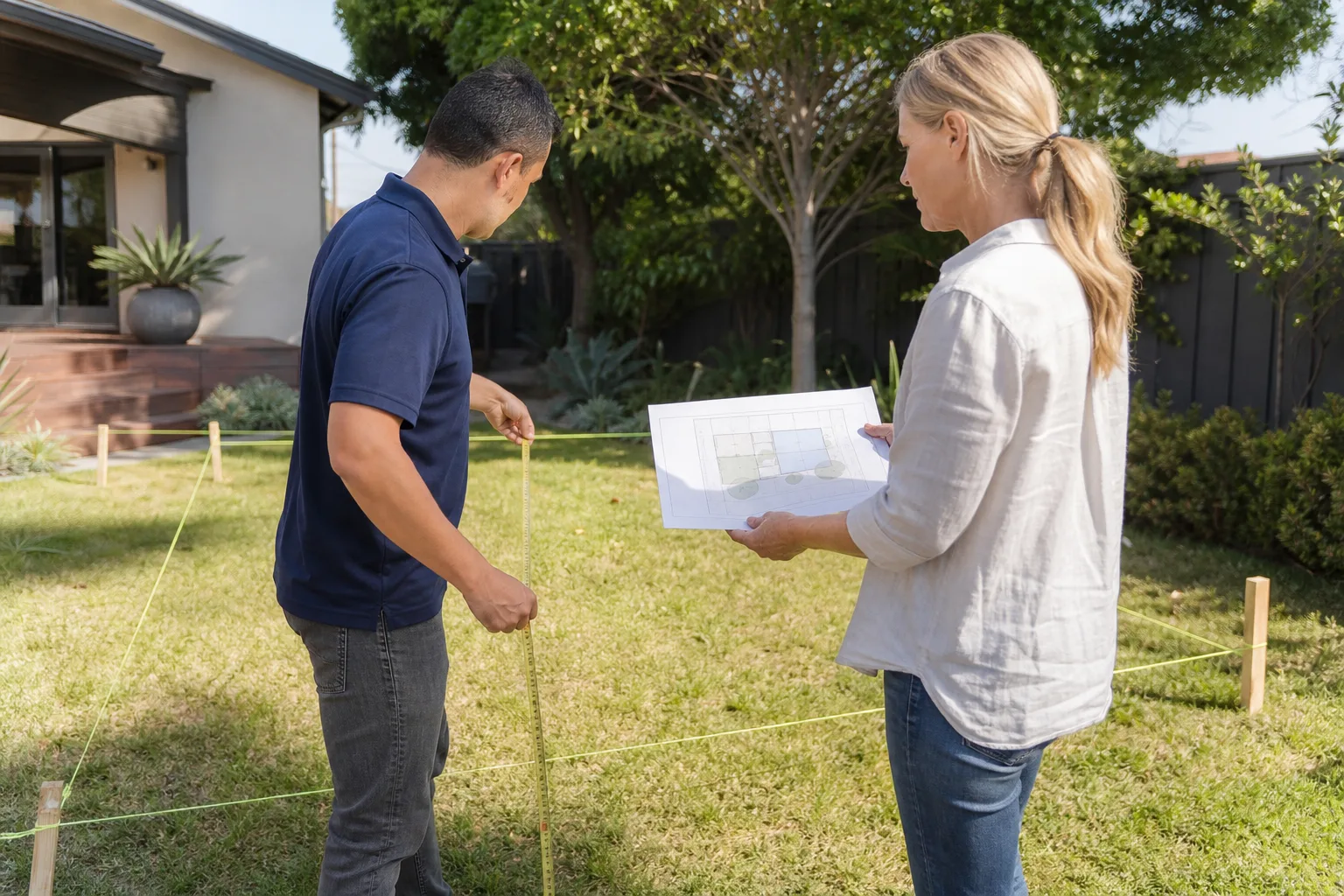
The call and the lot check: You tell us what you’re adding. We look at the existing James Hardie installation, the lot, and the permitting path. We write down every observation before we write a price.
- 2
The written price: We run real numbers for framing, foundation, siding, trim, flashing, dry-in, finishes, and the permit fees Ventura County will actually charge. No allowance games, no “we’ll figure it out later.” The price you see is the price you pay.
- 3
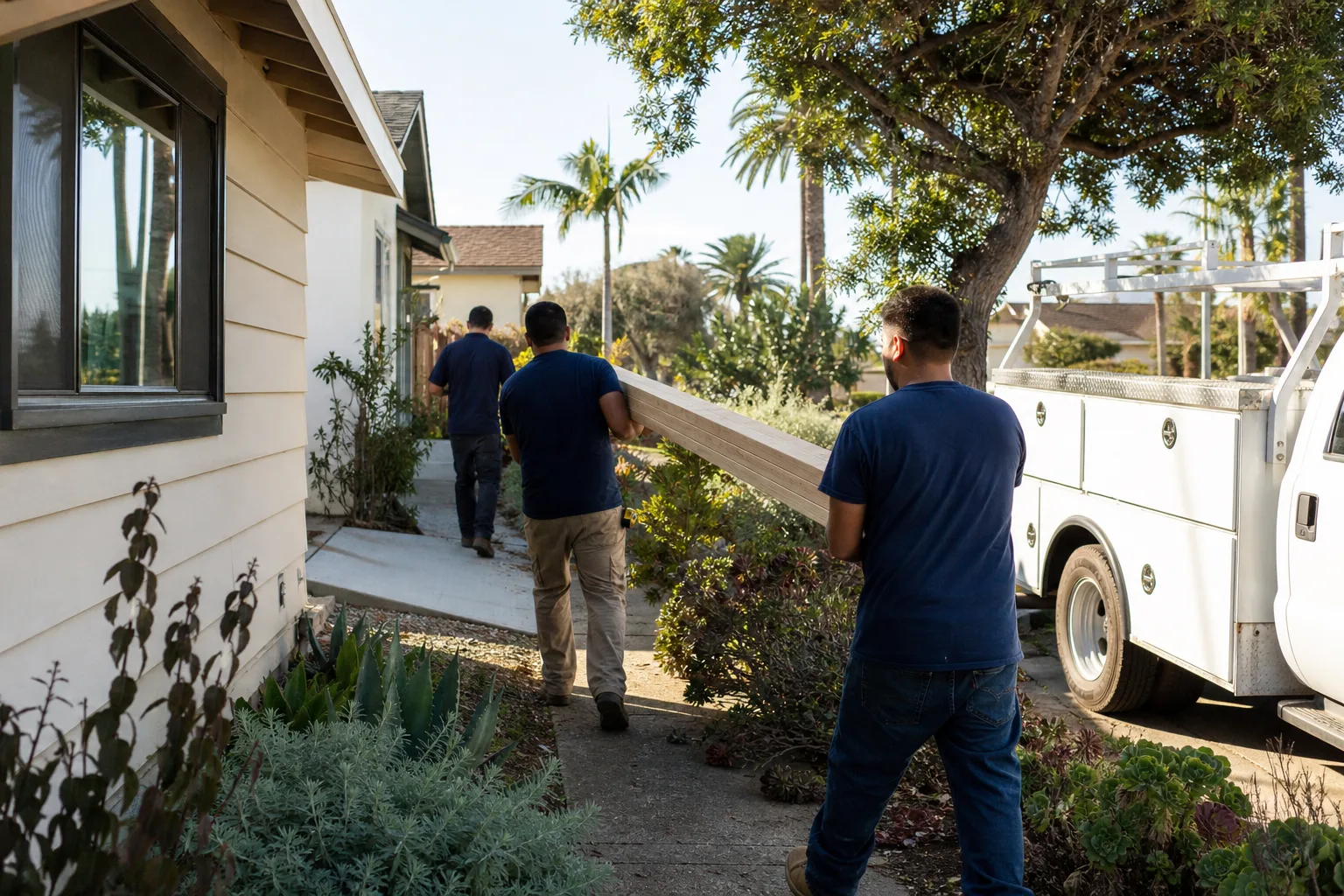
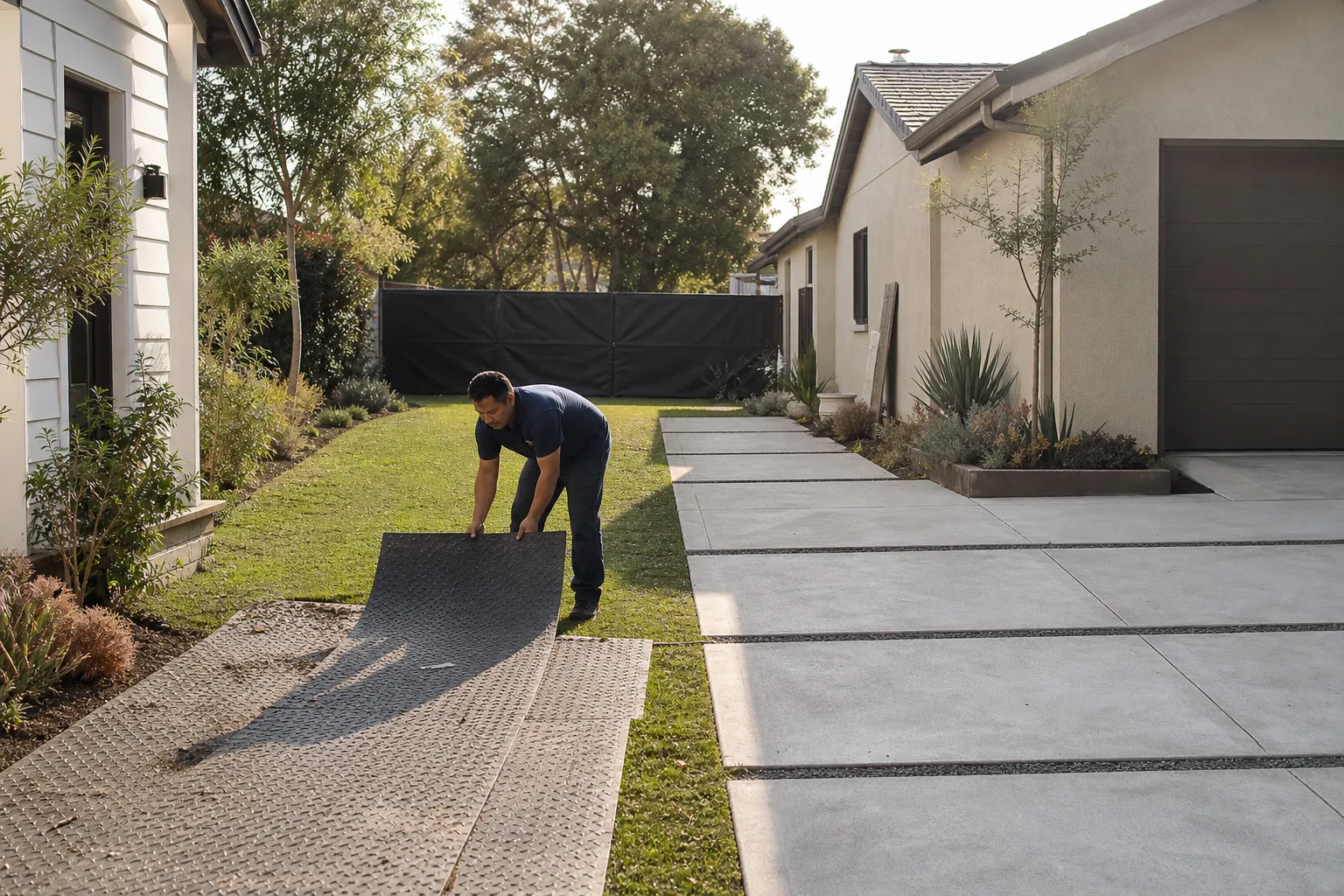
Permits and sequencing: We pull the permit, and we stage materials so the addition is dried in as fast as possible. The moment the old siding is cut into, weather protection is priority one.
- 4
The build and the siding match: We match your existing HardiePlank or HardiePanel to new stock, color-matched where possible, re-painted where necessary. Seams, flashing, and trim details get more time than anything else because that’s what fails first.
- 5
The test and the walkthrough: We water-test flashing, inspect every joint, and walk the addition with you before final inspection. You see what we did and why.
- 6
The Kingswell Guarantee, in writing: You leave with a written guarantee covering our work. If anything isn’t right within 365 days, we come back and make it right. No renegotiation, no phone tag.
What James Hardie Home Addition Contractor Costs in Ventura
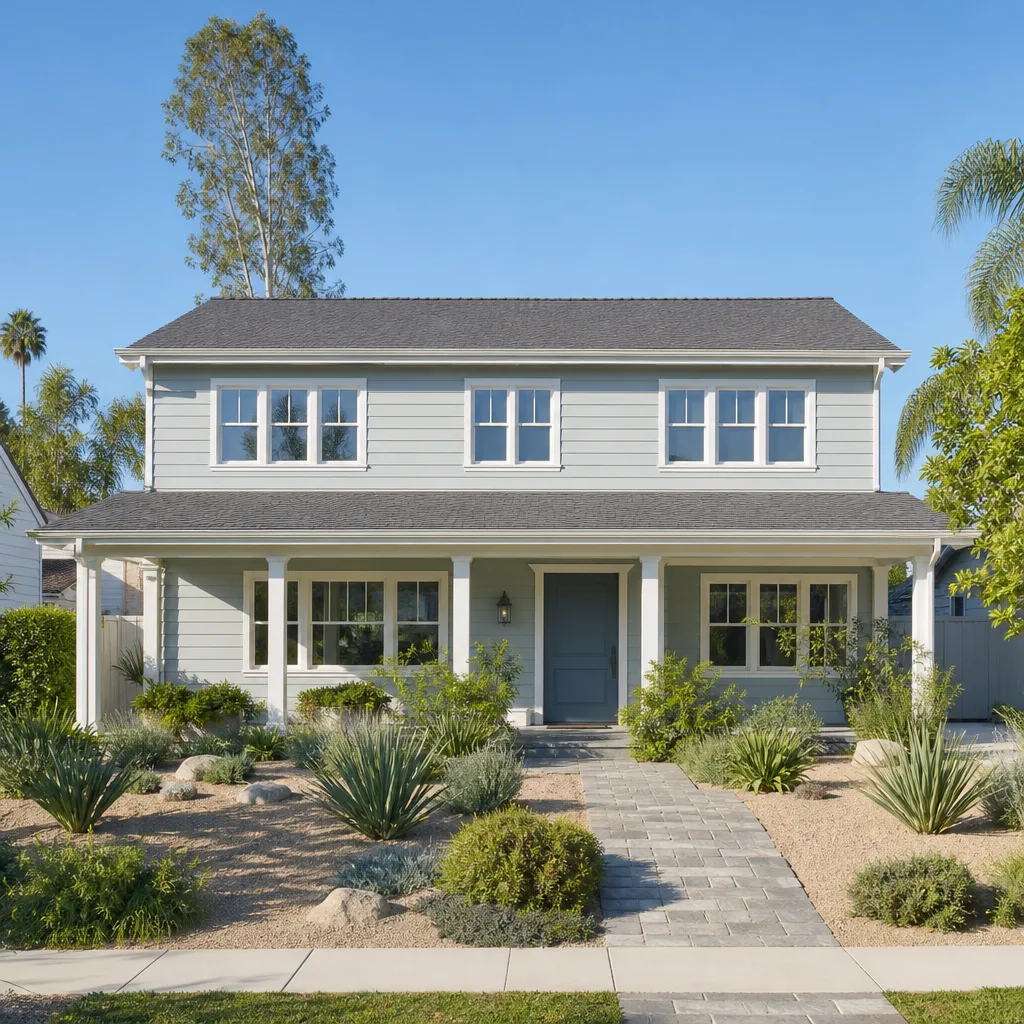
Home additions run on square footage, and James Hardie siding work runs on linear feet. Here’s what we typically see in Ventura:
- Bump-out addition (50 to 80 sq ft, already on a slab): $28,000 to $52,000, including matching HardiePlank siding, flashing, and interior finish. This is the most common garden-level addition in Ventura’s older homes.
- Sunroom addition (150 to 200 sq ft, new foundation): $70,000 to $110,000. HardiePanel siding with large glazing is common here, and it runs higher per square foot because every window opening is a flashing sequence that has to be right.
- Second-story addition (400 to 600 sq ft over an existing first floor): $180,000 to $320,000. The existing HardiePlank on the lower floor often stays, but matching it means ordering from a current dye lot and doing a fresh paint blend at the transition line.
- Garage addition or conversion to living space: $90,000 to $160,000 for a full conversion with a bathroom, kitchenette, and new HardiePanel or HardiePlank exterior where the garage door was.
What moves the price: the condition of your existing siding, whether the addition needs a new foundation, the number of windows and doors being cut in, and what Ventura County’s current permit fees run. We’ll give you a written quote before any work starts. Call (831) 230-7250 for a free estimate.
Why Ventura Homeowners Call Lodgewick ADU Ventura for James Hardie Work
We’re the ADU company of the Kingswell family, and we’ve been doing residential builds since 2010. The Kingswell Way is simple: say the price before the work, show up in the window we gave you, leave the place cleaner than we found it, put the guarantee in writing, and come back if it fails. On James Hardie work, that guarantee matters a lot because the failures we listed above are all ones most contractors never come back to fix. Ours is the 365-Day Done Right Promise. It’s not a slogan. It’s a written guarantee on every project, and it includes a free return visit if anything we touched fails within the guarantee period. Russ Delmar runs the crew here, and he’s spent years matching James Hardie products on Ventura additions from Midtown to neighborhoods a few blocks from the Ventura Pier. We also work with Abodu, Cover, and Dvele for prefab ADU shells, so if your addition direction changes, we can pivot without starting your education over. A live person answers our phone 24/7 at (831) 230-7250.
FAQs
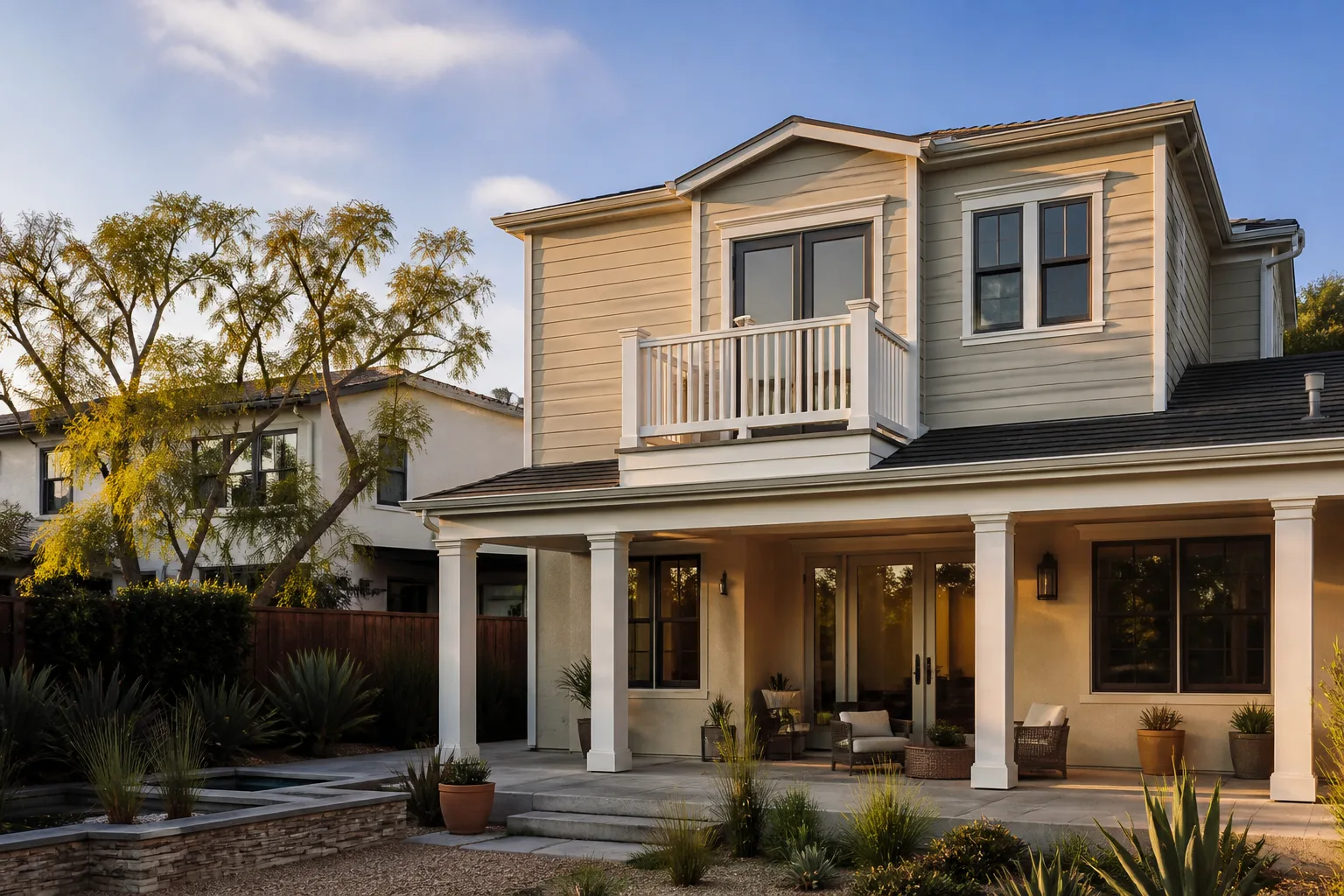
Yes, in most cases. James Hardie’s ColorPlus finishes come from specific dye lots, and older siding fades differently depending on sun exposure on the Ventura coast. We match as closely as current stock allows, and if the transition line is visible, we recommend a fresh exterior paint blend at that line so the addition reads as intentional rather than patched. Call (831) 230-7250 and we’ll look at your specific fade pattern.
The James Hardie product warranty covers manufacturing defects, not installation work. Adding onto your house won’t void the siding’s warranty unless the addition’s installation damages the existing siding. What it can affect is your home’s original weather barrier continuity, which is why we re-flash every connection point where new framing meets old siding. A bad addition flashing job is the most common way a good HardiePlank wall starts failing from the inside out.
HardiePlank and HardiePanel in standard colors are usually stocked locally at Ventura suppliers, so we can typically start within two to three weeks of permit approval. Custom ColorPlus shades and specialty trim profiles run four to six weeks because they come from James Hardie’s western distribution network. We’ll tell you the lead time in writing before you commit.
Generally, yes. If your existing home is already clad in HardiePlank or HardiePanel, continuing the same product keeps the exterior looking cohesive, and fiber cement holds up well in Ventura’s salt air compared to wood or vinyl. The exception is south-facing walls with no shade, where the darker ColorPlus finishes can hold enough heat to accelerate paint fading. We’ll give you an honest take based on your specific lot, not a sales pitch.
Yes, we pull the permit for every addition we build. Ventura’s building department has specific requirements for additions over a certain square footage, especially anything that changes the dwelling’s structural or energy profile, and we’ve built enough here to know what flies on the first submittal. Russ keeps a worn copy of the Ventura County building code on his truck seat for a reason. Call (831) 230-7250 and we’ll walk your specific lot through the process.
Written by Russ Delmar, Owner, Lodgewick ADU Ventura at Lodgewick ADU Ventura, serving Ventura and nearby areas.