James Hardie Garage Conversion ADU: The Ventura Owner’s Guide
If your James Hardie-sided garage conversion in Ventura has siding that’s cracked, warped, or pulling away from the studs, we stock and install James Hardie-compatible boards and trim on our trucks, and a typical siding repair or partial replacement on a garage-converted ADU here runs $900 to $3,200 installed depending on linear footage, access, and how much trim we’re pulling. Most owners discover the failure the same way: a board buckles after a wet winter, a corner seam opens up near the roofline, or the paint starts blistering right where the Hardie plank meets the new ADU window flashing. Sometimes it’s a single board that got nailed too close to the edge during the original garage conversion and finally split.
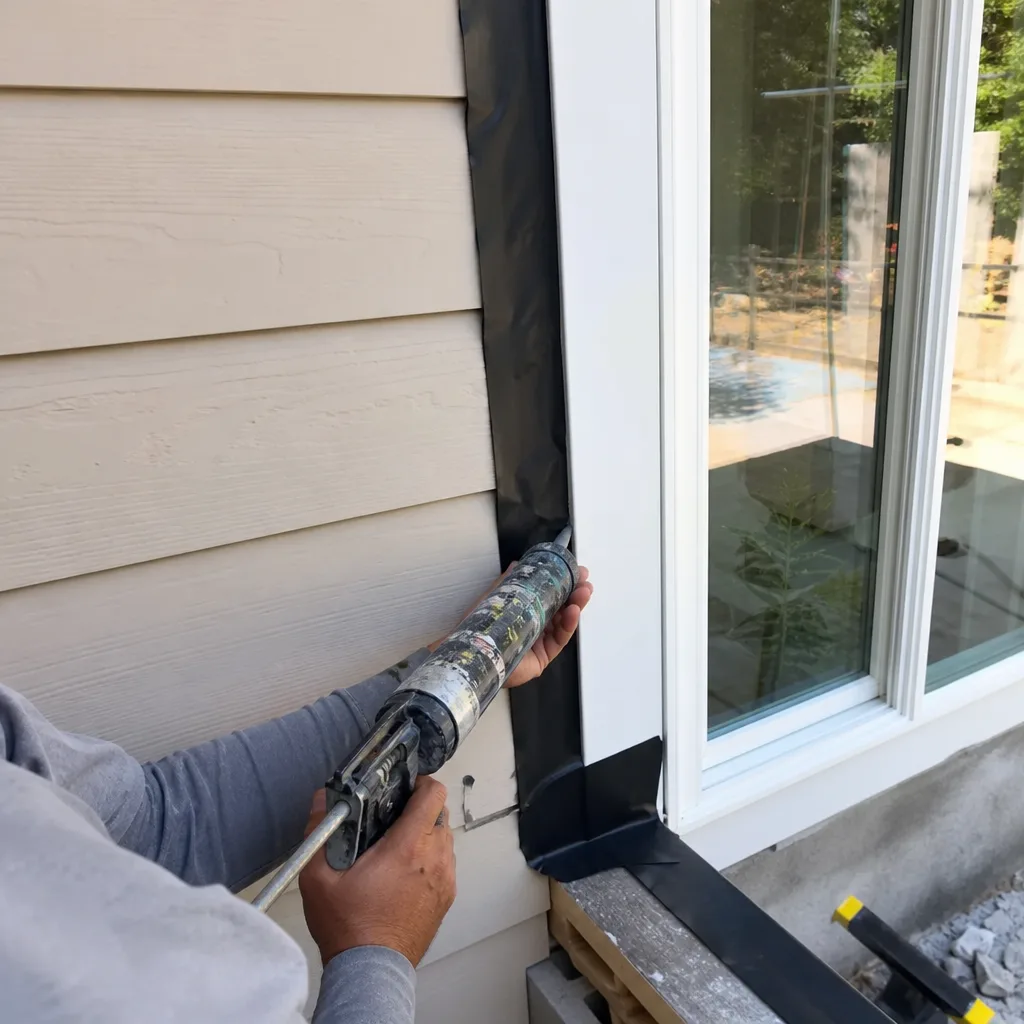
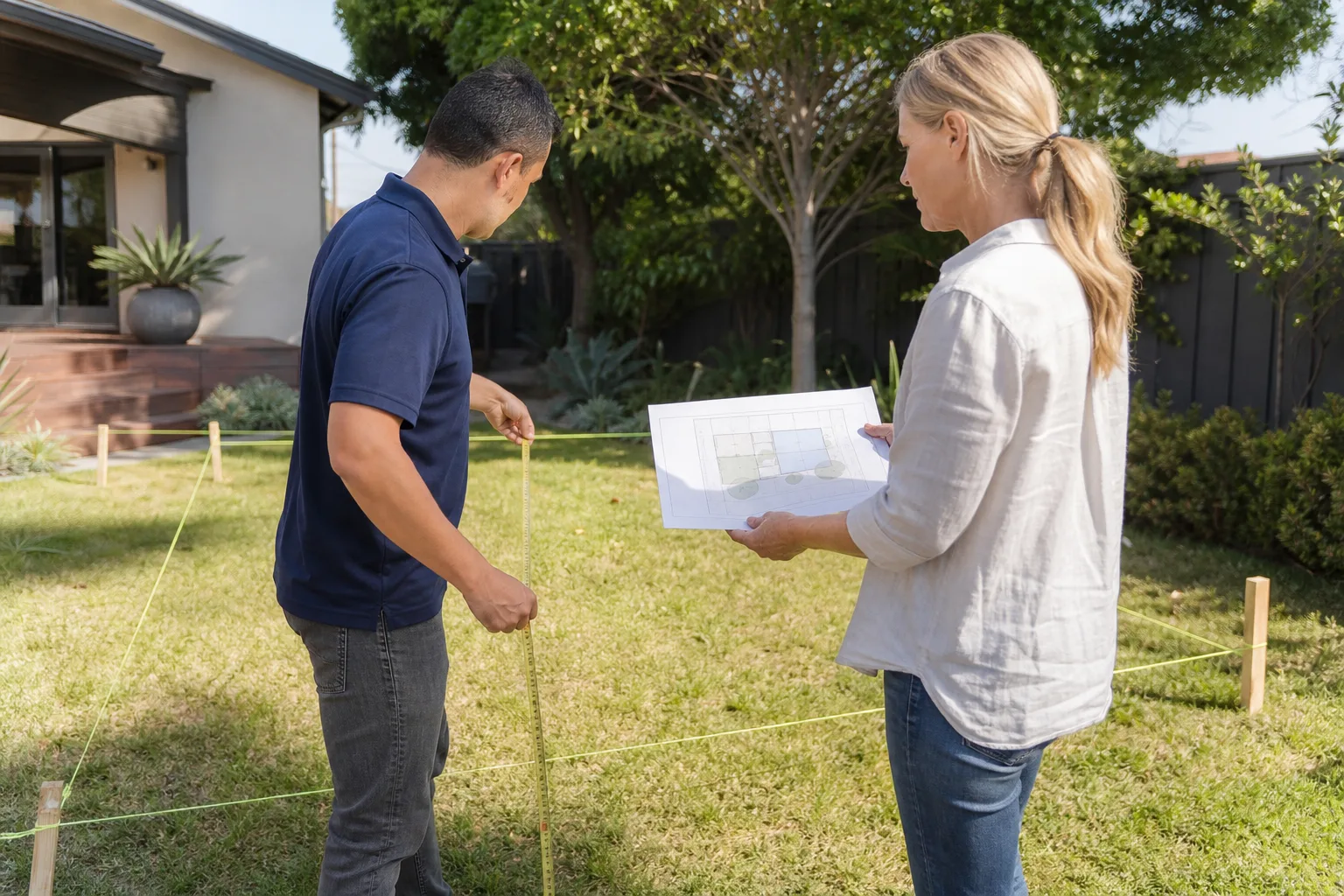
The good news is you don’t have to guess what’s wrong. We’ll come out, measure the failed section, match the plank profile and color, and give you a written quote before any work starts. That’s just how we operate under The Kingswell Guarantee.
Which James Hardie Models This Applies To
Ventura garage conversions built in the last fifteen years typically use HardiePlank lap siding (5/16″ thickness, 8-1/4″ exposure) or HardiePanel vertical siding (4′ x 8′ sheets), with HardieTrim boards around windows, doors, and the corners where the old garage opening used to be. We work with all of it. The first thing anyone needs to do is check the back of a loose or removed board for the mill stamp, which lists the plant, the date of manufacture, and the product code. If you can’t read the stamp, measure the board thickness and exposure: 5/16″ HardiePlank installed at 7″ exposure looks noticeably different from the newer 7/16″ panels some builders used after 2018, and you can’t substitute one for the other without re-shimming the whole wall. That’s a common gotcha we see on Midtown garage conversions where the original builder mixed siding stock mid-job.
On the OEM versus aftermarket question: Hardie’s own boards aren’t the only thing we can install, but for anything where the grain pattern or color has to match an existing wall, we order OEM James Hardie. Aftermarket fiber-cement boards from CertainTeed or Allura are fine on a full reside, but the color and profile won’t match Hardie’s baked-on ColorPlus finish. Where the board is painted on site, not factory-finished, a quality aftermarket board saves a few dollars and you’d never know the difference. We’ll tell you which one makes sense for your situation before we quote.
Lodgewick ADU Ventura is an independent ADU builder and repair contractor. We’re not affiliated with James Hardie, but we’ve installed and repaired their siding on Ventura garage conversions for years, and we know which profiles our local suppliers actually keep in stock.
Signs Your James Hardie Garage Conversion ADU Is Failing
- Cracked or split boards near the corners. Fiber cement can’t flex like wood. If the original conversion didn’t leave proper expansion clearance at the corners or butt joints, the boards bind and crack. We see this most often on the wall that used to be the garage door opening.
- Warped or wavy siding below windows. Water is getting behind the board. Either the flashing wasn’t lapped correctly during the conversion, or the original builder caulked the bottom edge, which traps water instead of letting the wall breathe.
- Paint blistering or peeling in a single vertical band. That’s moisture wicking up from grade. Ventura’s marine layer means garage conversions with garden beds or pavers hard against the siding need at least 6″ of clearance below the bottom board, and that clearance got closed off on a lot of older jobs.
- Fungus or green staining at the bottom course. Hardie board itself doesn’t rot, but the face can hold moisture if sprinklers hit it twice a week. The fix is usually re-grading, moving the dripline, or replacing the bottom course and sealing the cut edge, which is the one edge that will wick water if it was never painted.
- Popping nails or visible nail heads along a board. Nails that were overdriven during the first install lose their grip as the board expands and contracts. Once three or more nails pop on a single board, that board is moving and should be re-fastened or replaced before the next big wind we get off the Pacific.
Replacement Cost & What’s Included
Here’s what we’re typically quoting on James Hardie siding repair and replacement on garage conversion ADUs in Ventura right now:
- Single board replacement (painted to match): $180 – $360 installed, including cutting relief, re-flashing the butt joint, and fastener inspection on the two boards above and below.
- Bottom course replacement (linear foot): $28 – $42 per foot installed, depending on how much rot repair or sheathing work is exposed once we pull the old board.
- Corner trim and window flashing repair on one window or corner: $350 – $750 installed. This is usually a half-day job with the flashing fix baked in.
- Full one-wall reside on a standard garage conversion (roughly 200 – 300 sq ft of wall): $3,800 – $6,800 installed, including tear-off, house wrap replacement, and repaint.
The spread comes down to how much hidden damage we find underneath, whether we’re matching factory ColorPlus finish or painting on site, and whether the wall is on the second story or tight against a property line fence. We don’t do change orders once the written quote is in your hands, and every repair carries the 365-Day Done Right Promise: if our work isn’t right within a year, we come back and make it right, no billing gymnastics. Russ Delmar has been known to hand a homeowner the written guarantee before they’ve even signed the work order, just so they can read it while we’re still on site.
DIY or Call Us?
Fiber-cement siding is not high-tension-dangerous like a garage door spring, but it’s also not the same as swapping a cedar shake. Hardie plank is heavy, it kicks up silica dust if you cut it with the wrong blade, and a board dropped on a toe sends you to the urgent care out on Mills Road. The safe homeowner checks are these: look for popped nails, look for caulk closing off the bottom edge, look for sprinklers soaking the wall, and look for cracks radiating from the nails. Those are your symptoms, not your repair.
If a single board at eye level is damaged and you’re experienced with a siding gauge and shears, it’s a doable half-day. But if water is getting behind the siding, or the trim around the old garage door header is involved, or you’re seeing rot at the sheathing, call us. A wrong flashing detail on a Ventura garage conversion means you’ll be redoing that same wall in three winters. The call to (831) 230-7250 is free, and so is the estimate.
FAQs
James Hardie siding carries a 30-year limited product warranty, and boards that are flashed, fastened, and painted correctly will usually give you 25 to 35 years of service here in Ventura, though marine-layer moisture and unshaded south-facing walls can cut into that on the paint side well before the board itself fails. A garage conversion that got proper clearances and flashed seams at the time of the build will outlast one that didn’t by a decade.
Hairline cracks at a nail can sometimes be sealed and repainted, but a through-crack or any board that’s moved off the wall means replacement. Fiber cement has no flex to hold a structural patch. The smarter money on a Ventura garage conversion is usually replacing the one bad board now and fixing the underlying cause, rather than patching twice and paying for the whole wall later. Call (831) 230-7250 and we’ll tell you which camp your board falls into.
Most single-board and corner-trim replacements are done in half a day, including the relief cuts, flashing, new fasteners, and paint matching. A full one-wall reside with house wrap replacement is usually two to three working days, and we’ll put the arrival window in writing before we start.
We keep the common 5/16″ HardiePlank profiles, 8-1/4″ exposure boards, and standard HardieTrim sizes on our trucks and in our Ventura shop stock, and we order factory ColorPlus-matched boards for anything we don’t have. The James Hardie products we use are the same boards we’d put on our own garage conversion, and we also work with Abodu, Cover, and Dvele for homeowners going the prefab ADU route.
Written by Russ Delmar, Owner, Lodgewick ADU Ventura at Lodgewick ADU Ventura, serving Ventura and nearby areas.