Tuff Shed Garage Conversion ADU: The Ventura Owner’s Guide
Most Tuff Shed garage conversion parts issues we see in Ventura come down to three things: the original shed shell wasn’t flashed or sealed for coastal moisture, the floor framing was never meant to carry a living-space load, or the electrical rough-in was done to shed standards, not ADU standards. A typical Tuff Shed-to-ADU parts retrofit in Ventura runs $8,500 to $22,000 depending on what failed and how far the conversion already got. We stock the common repair parts on our trucks: pressure-treated sill plates, simpson tie-downs, vapor barrier, rigid foam insulation board, and 20-amp GFCI breakers, so most evaluations turn into same-day fixes.
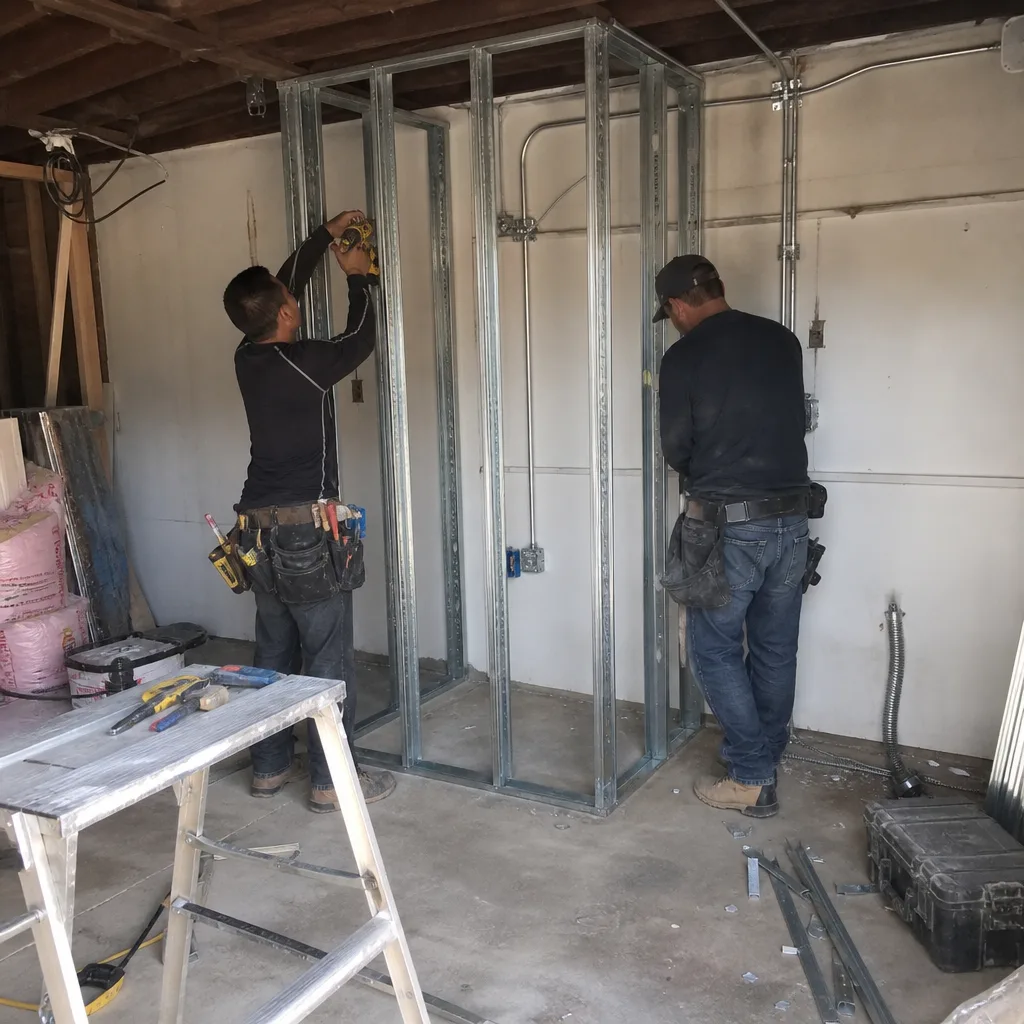
The symptom picture is usually the same: you open the shed door one morning and smell mildew, or the floor feels spongy near the wall, or a breaker trips every time you plug in a space heater. You’re not crazy. That’s a shed trying to be a house without the right parts in between.
Which Tuff Shed Models This Applies To
We work on the full range of Tuff Shed structures that Ventura homeowners convert: the Premier Pro series, the Premier Ranch, the Sundance, and the taller TB series are the four we see most often as garage conversion starting points. The compatibility gotcha is the floor system. Tuff Shed builds most of their shells on 2×4 or 2×6 skids with OSB decking rated for storage loads, not the 40-pounds-per-square-foot live load that California residential code requires for a habitable ADU. If you’re converting a TB-series tall barn shed, the wall studs can sometimes be 24 inches on center instead of 16, which changes how we anchor drywall and how much blocking the electrical inspector wants to see.
For parts matching, the model plate is usually riveted to the inside of the door frame or the back wall near the eave. It’ll list the model name and the build date. If the plate is gone, we measure the floor joist spacing and the wall stud spacing and match to the series from there. On the OEM-versus-aftermarket question: for Tuff Shed specifically, the OEM wall girts and eave trim are fine to reuse if they’re sound, but we replace the floor system parts with code-grade lumber and hardware rather than Tuff Shed factory equivalents. The factory parts are built for a storage shed. An ADU needs parts built for a dwelling.
Signs Your Tuff Shed Garage Conversion ADU Is Failing
- A musty smell that won’t air out. This is almost always the vapor barrier or the sill plate flashing. Tuff Shed shells are designed to breathe like a shed, but a converted ADU is sealed and conditioned. Moisture that used to dry out now gets trapped, and the sill plate is the first thing to rot.
- The floor bounces or feels soft near the door or walls. The original 2×4 skid joists can deflect under the weight of drywall, flooring, and furniture. We’ve seen Ventura conversions where the floor had sagged three-quarters of an inch before anyone noticed. That’s a load-bearing parts problem, not a cosmetic one.
- Breakers trip when you run a heater and a microwave at once. The original Tuff Shed electrical package, if there is one, was sized for a light bulb and a power tool, not a 20-amp kitchen circuit and a mini-split. We often find 14-gauge wiring where an ADU needs 12-gauge and dedicated circuits.
- Gaps open up around doors and windows, or doors stick. This is the shed shifting as the skids settle into Ventura’s clay-heavy soils. The fix is re-leveling and anchoring to a proper foundation or pier system with new tie-downs, not just planing the door edge.
- You see daylight around the wall base or at the eave. That’s the original shed flashing failing or never being there in the first place. Rodents get in, rain get in, and the conditioned air gets out. In a Ventura winter with real rain, this turns into insulation damage fast.
Replacement Cost & What’s Included
In Ventura, a floor system replacement on a converted Tuff Shed ADU runs $4,200 to $7,800 depending on square footage and whether we’re lifting the structure or working from inside. Electrical upgrades are $2,500 to $6,000 for a full panel feeder, new circuits, and GFCI/AFCI protection. Full weatherization – vapor barrier, insulation, sill flashing, door and window re-sealing – runs $3,000 to $5,500. If the conversion is only partly finished and you want us to pull it back to shell and do the whole thing right, the parts-and-labor bill lands between $12,000 and $22,000.
Every quote comes in writing before work starts. The price covers the parts, the labor, the dump run, and the permit work if the fix requires it. If it’s not done right, the 365-Day Done Right Promise means we come back and make it right, free. That’s in writing too.
DIY or Call Us?
You can check a few things yourself: run a screwdriver along the bottom plate near the ground and see if it sinks in, look for water stains on the interior wall sheathing, test every GFCI outlet with the test button. What you shouldn’t try is any structural or electrical work. Lifting a shed or pulling a electrical panel is where DIY jobs turn into hospital visits or house fires. We’re not being dramatic. We’ve been called in after a homeowner tried to sister floor joists with deck screws. The fix cost three times what the original repair would have.
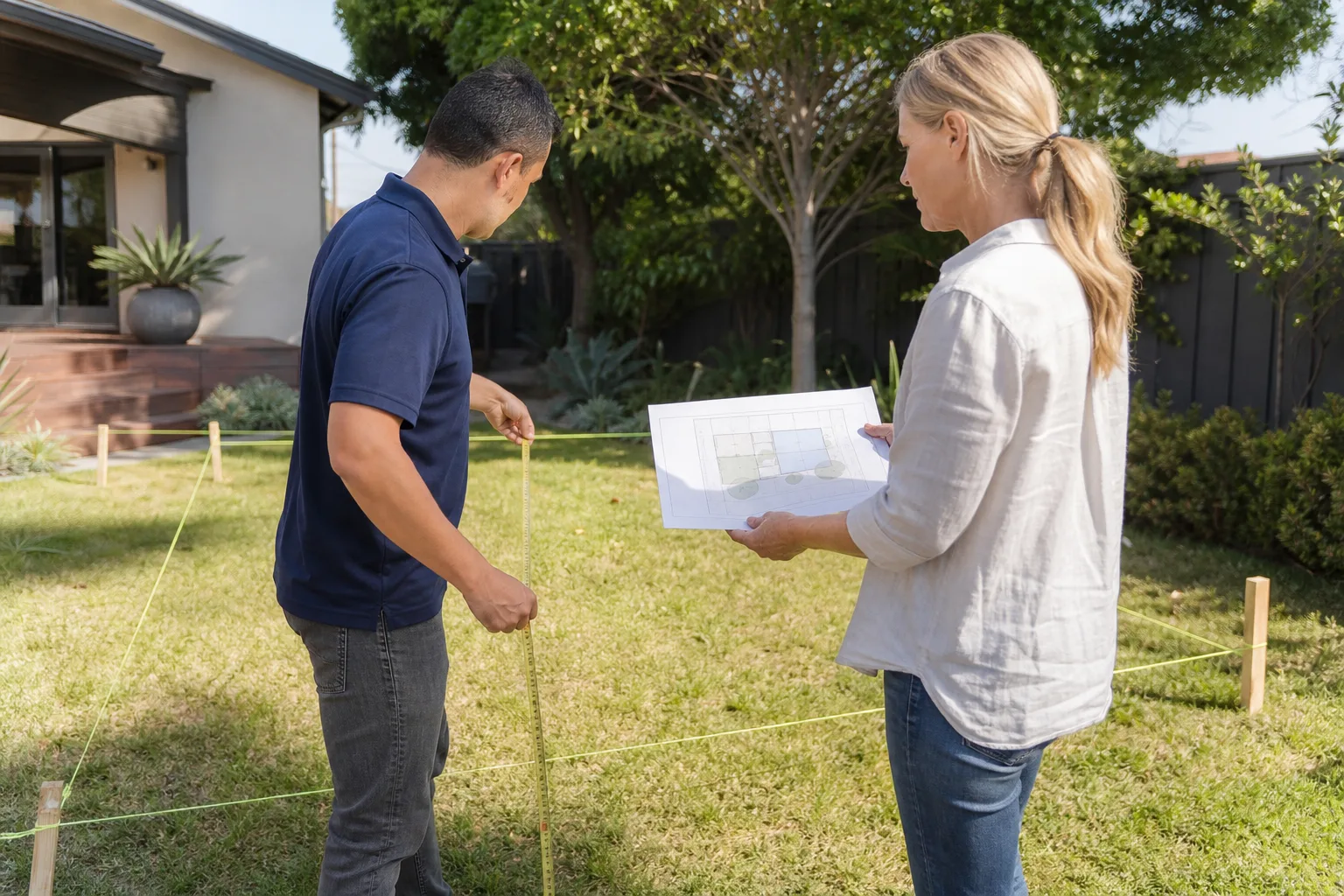
If you’re seeing any of the failure signs above, call us at (831) 230-7250. We’ll set up an evaluation, give you a written parts-and-labor price, and tell you what actually needs to happen versus what can wait. Russ Delmar will probably be the one walking your lot.
FAQs
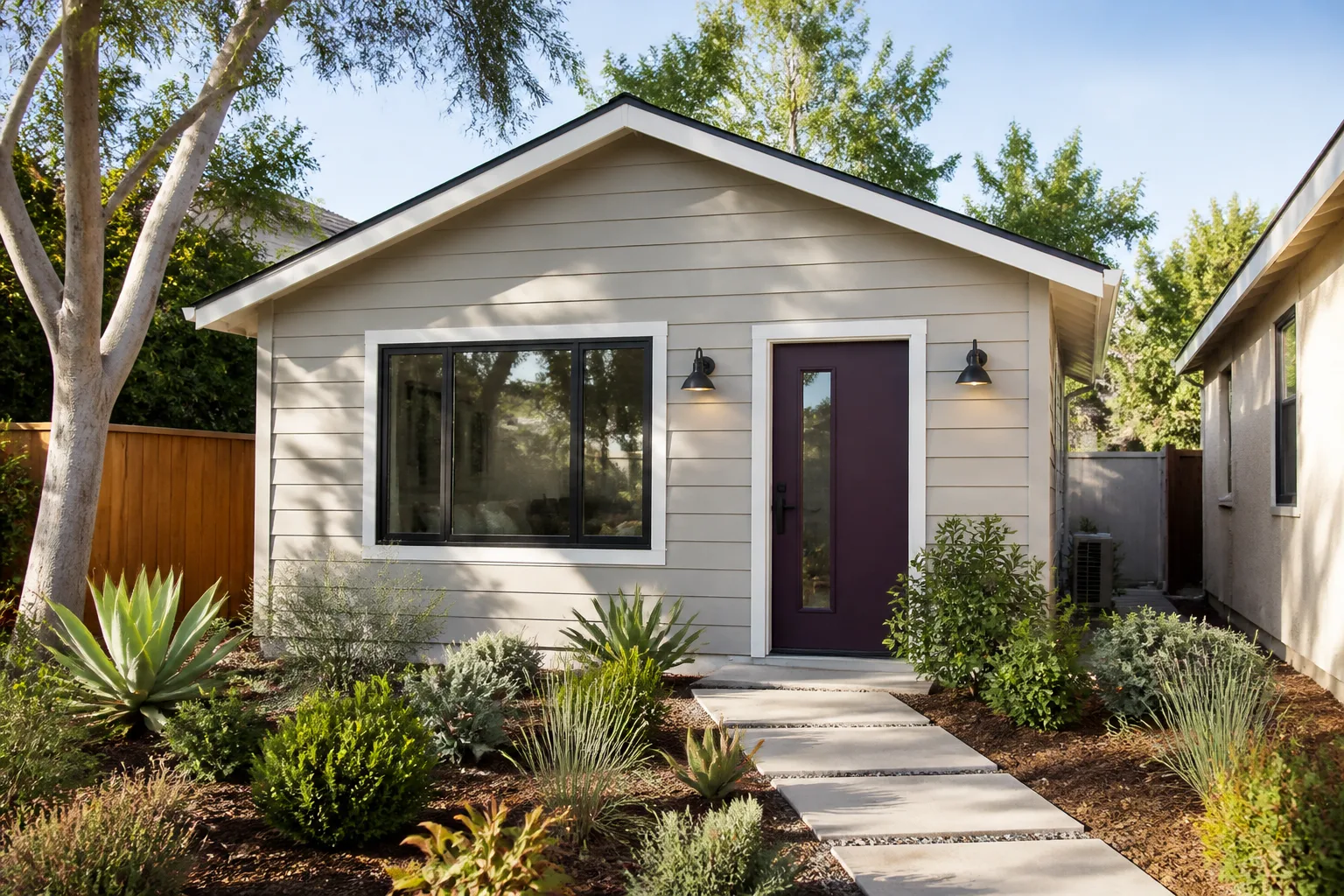
A properly converted Tuff Shed ADU in Ventura’s coastal climate should give you 25 to 30 years of service before major parts like the roof or floor system need serious attention, assuming the conversion included proper flashing, a code-grade floor, and a real electrical rough-in. The original shed shell is pressure-treated and decently built. What fails is the parts between the shed and the finished living space, and those are replaceable. Call (831) 230-7250 if you want us to assess how your specific conversion is holding up.
Sometimes, yes if the rot is localized to one corner and the joists are still sound, we can cut out the bad section and sister in new framing. But if the skids have settled and the floor has sagged across more than a third of the footprint, a partial repair just buys you a year or two. We’ll tell you which situation you’re in, and give you a written price either way.
A floor system replacement typically takes 3 to 5 working days, depending on whether we need to lift the structure and set new piers. Electrical and weatherization work runs 2 to 4 days. Permitting in Ventura can add 2 to 6 weeks on the front end if the work requires a permit, which structural changes do. We pull the permits for you.
We keep the common items on our trucks: pressure-treated lumber, galvanized simpson hardware, rigid foam insulation, vapor barrier, 12-gauge wire, AFCI breakers, and the sealant we’ve found holds up best in Ventura’s damp winters. If the job needs a specific part we don’t carry, we source it same-week from our local suppliers. We also work with Abodu, Cover, and Dvele conversions, so our parts bench covers more than just Tuff Shed.
Written by Russ Delmar, Owner, Lodgewick ADU Ventura at Lodgewick ADU Ventura, serving Ventura and nearby areas.