Plant Prefab Site Prep & Utilities: The Ventura Owner’s Guide
Site prep and utility connection for a Plant Prefab home in Ventura typically runs $28,000 to $65,000 installed, depending on your lot’s slope, soil conditions, and how far the utility trench has to travel from street to foundation. We stock the connectors, conduits, and trenching crews to get your Plant Prefab pad leveled, utilities stubbed, and inspections passed, usually within a 2 to 4 week window after permits clear. Most owners discover something’s gone sideways when their general contractor calls with a soil report surprise, or when the utility company flags a setback issue the original site plan didn’t account for.
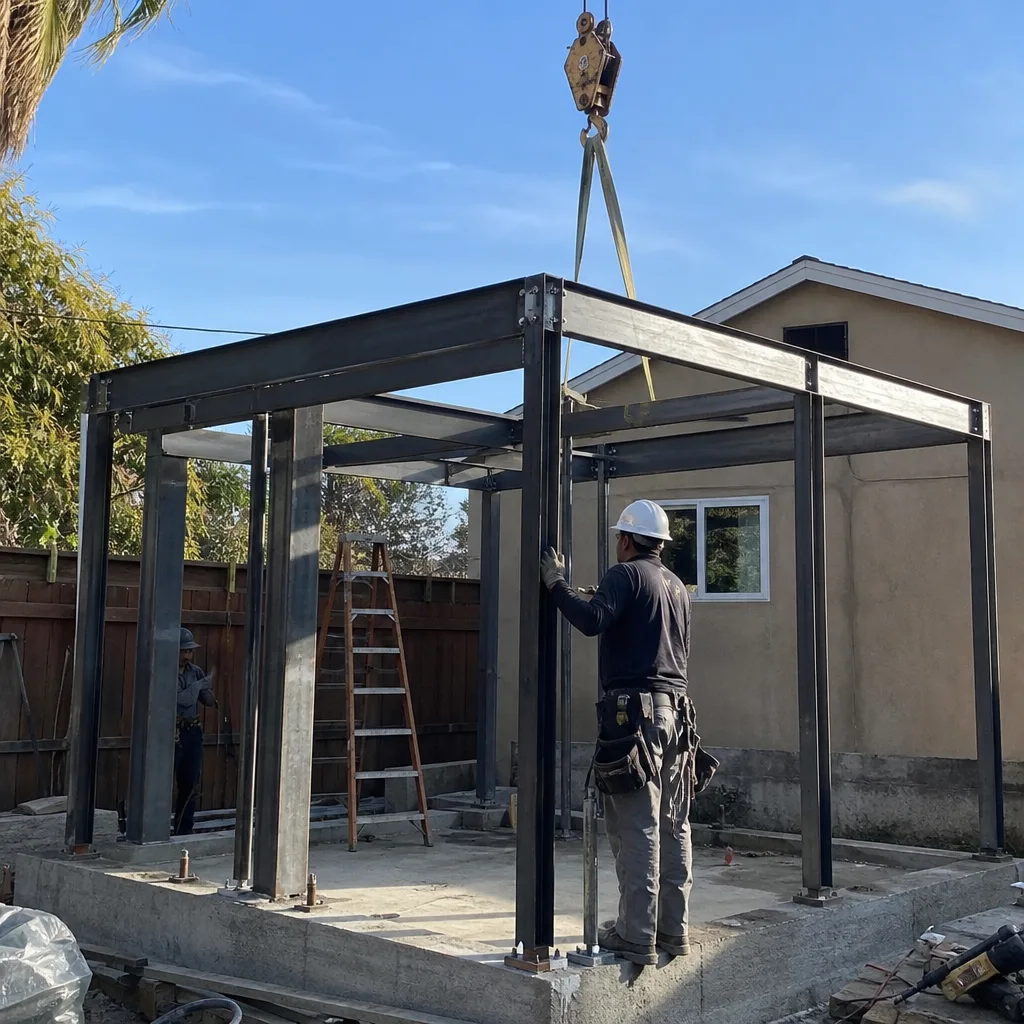
This page covers what actually goes into prepping a Ventura lot for a Plant Prefab unit, what fails first, what it costs, and how to tell if your project’s site work was done right before the module ever leaves the factory. We’re an independent service provider, not affiliated with Plant Prefab, but we work with their units regularly enough to know exactly what their factory reps need from the site before they’ll schedule a crane day.
Which Plant Prefab Models This Applies To
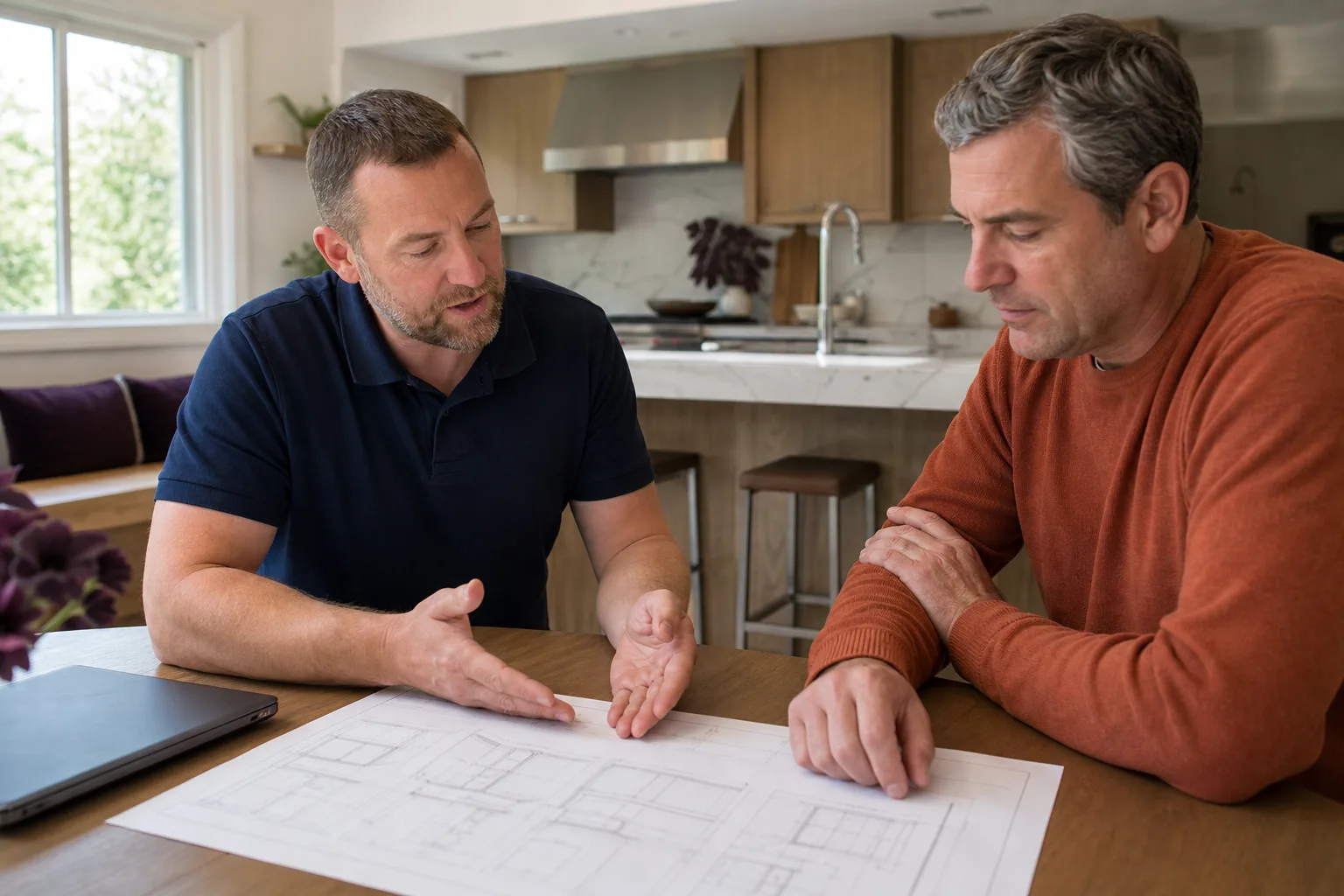
Plant Prefab currently ships four main residential lines: the LivingHome series (their flagship custom units), the compact YB models (backyard studios and one-bedrooms), the multi-module multi-family lines used in larger developments, and their newer panelized kits for builders who want factory precision without full module shipping constraints. Regardless of which line you’ve purchased, the site prep requirements are functionally identical: a level, engineered pad or stem wall foundation, a trenched utility corridor from the street or existing house to the unit’s utility closet, and a crane access path rated for the heaviest module in your order.
The compatibility gotcha most owners don’t see coming: Plant Prefab’s utility stub locations are chassis-specific, not model-specific. A LivingHome 2-module unit typically brings electrical, water, and sewer stubs in through the floor at coordinates listed on your factory drawing set. If your site contractor pours the pad without cross-checking those coordinates against the actual module spec, you can end up with stubs six feet away from where the plumber roughed in your trenches, and that’s a very expensive Tuesday. We’ve seen it in Ventura more than once, especially on lots in the hills above Foothill Road where the trenching itself eats so much budget that nobody wants to re-do anything.
For OEM versus aftermarket materials: Plant Prefab doesn’t manufacture their own utility hardware. They spec standard California Title 24-compliant components: copper or PEX supply lines, ABS or cast iron waste, schedule 40 conduit for electrical. Quality aftermarket equivalents from Viega, Nibco, and Carlon perform identically and meet the same code requirements Ventura’s building department enforces. We typically install what the job calls for and price it honestly either way.
Key Takeaways
- Site prep and utility work for Plant Prefab in Ventura runs $28K to $65K depending on lot conditions.
- Permit and inspection timing in Ventura adds 4 to 12 weeks on top of the physical work.
- The most common failure point is utility stub misalignment between site work and factory specs.
- Lodgewick ADU Ventura installs Plant Prefab-compatible utility hookups, and the written price is set before any work begins.
Signs Your Plant Prefab Site Prep & Utilities Is Failing
- Water pressure drops and never recovers. This often points to a crushed or kinked PEX line where the trench crossed a driveway or heavy equipment path. Ventura’s clay-heavy soil expands and contracts seasonally, which puts more stress on buried lines than most installers account for.
- Sewer smells near the pad or inside the unit’s utility closet. A sag in the waste line, called a belly, lets water sit and gases escape. It usually happens when the trench bottom wasn’t compacted properly before the pipe went in, and it’s one of the harder things to diagnose without a camera scope.
- Breaker trips the moment anything heavy draws power. If the trench was too shallow or the conduit wasn’t bedded in sand, the wire insulation can wear through over time, especially in Ventura’s rocky hillside soil along the Avenue and up toward Ondulando.
- Pad edges are cracking or spalling within the first year. A Plant Prefab module sits on a steel chassis that concentrates weight at specific anchor points. If the pad wasn’t engineered for point loads, not just uniform weight, the concrete fails at those exact spots.
- Water pools against one side of the pad after rain. Ventura’s winter storms are the great revealer. A pad poured without proper drainage swale or a French drain on the uphill side will hold water, and that water eventually finds its way into the unit’s underside insulation and floor framing.
Replacement Cost & What’s Included
Here’s what Plant Prefab site prep and utility work actually costs in Ventura right now, broken down by trade:
| Work Scope | Typical Range in Ventura |
|---|---|
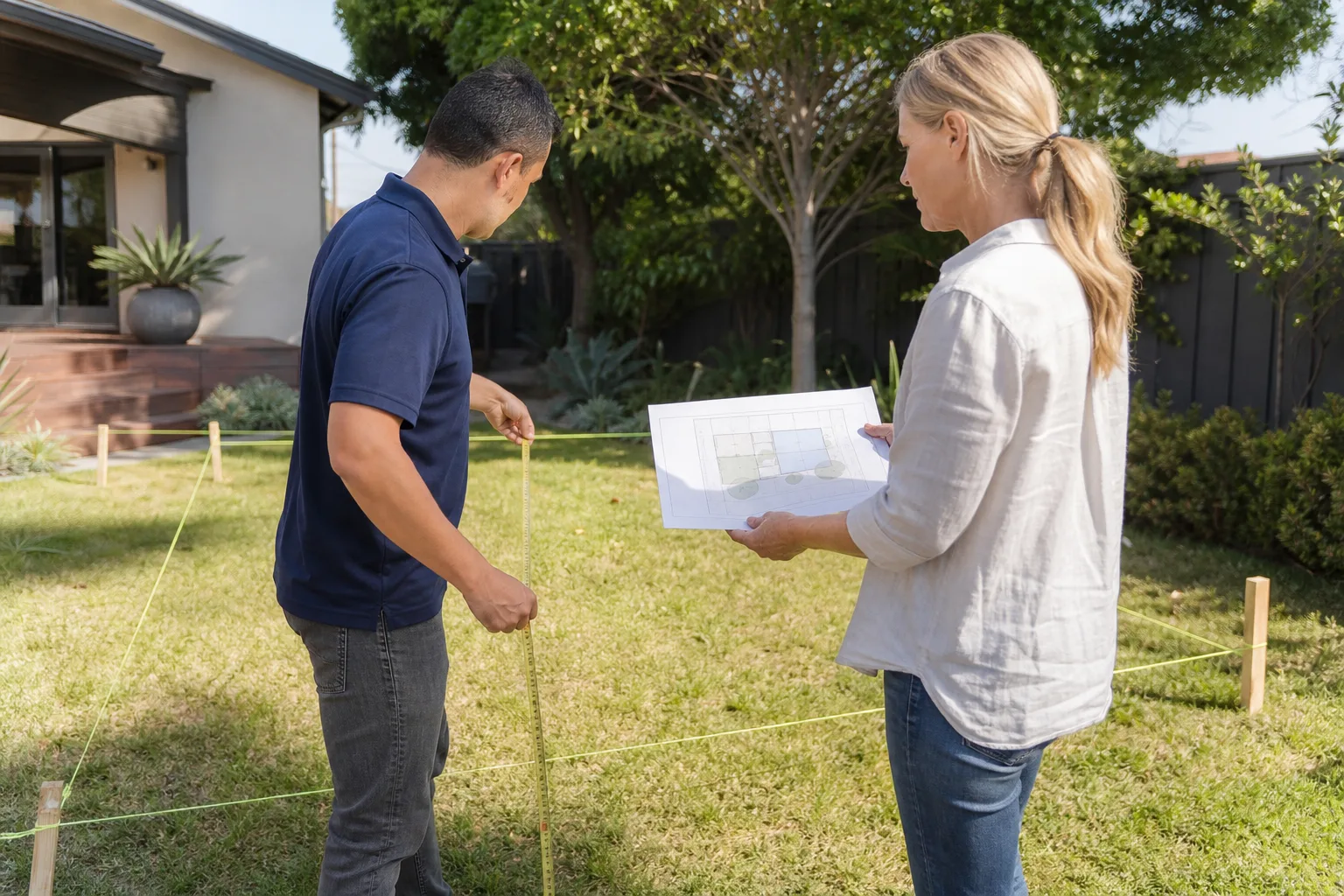
| Site survey, soil test, and grading plan | $3,000 to $7,500 |
| Pad or stem wall foundation (400-900 sq ft) | $12,000 to $28,000 |
| Utility trenching and connection (water, sewer, electrical) | $6,000 to $18,000 |
| Permit fees and utility company charges | $4,000 to $11,000 |
| Final grading, drainage, and compaction inspection | $3,000 to $9,000 |
What drives the range in Ventura specifically: hillside lots above Foothill need engineered retaining and deeper footings; flat lots in Midtown or Montalvo may only need a standard 12-inch pad. Distance from the utility main matters a lot, too. If your sewer lateral has to run 150 feet instead of 30, the trenching cost rises accordingly. Every quote we write is a line-item, fixed price with no change orders unless you change the scope. The Kingswell Guarantee covers the work for 365 days after completion, with a free return visit if anything fails in that window.
DIY or Call Us?
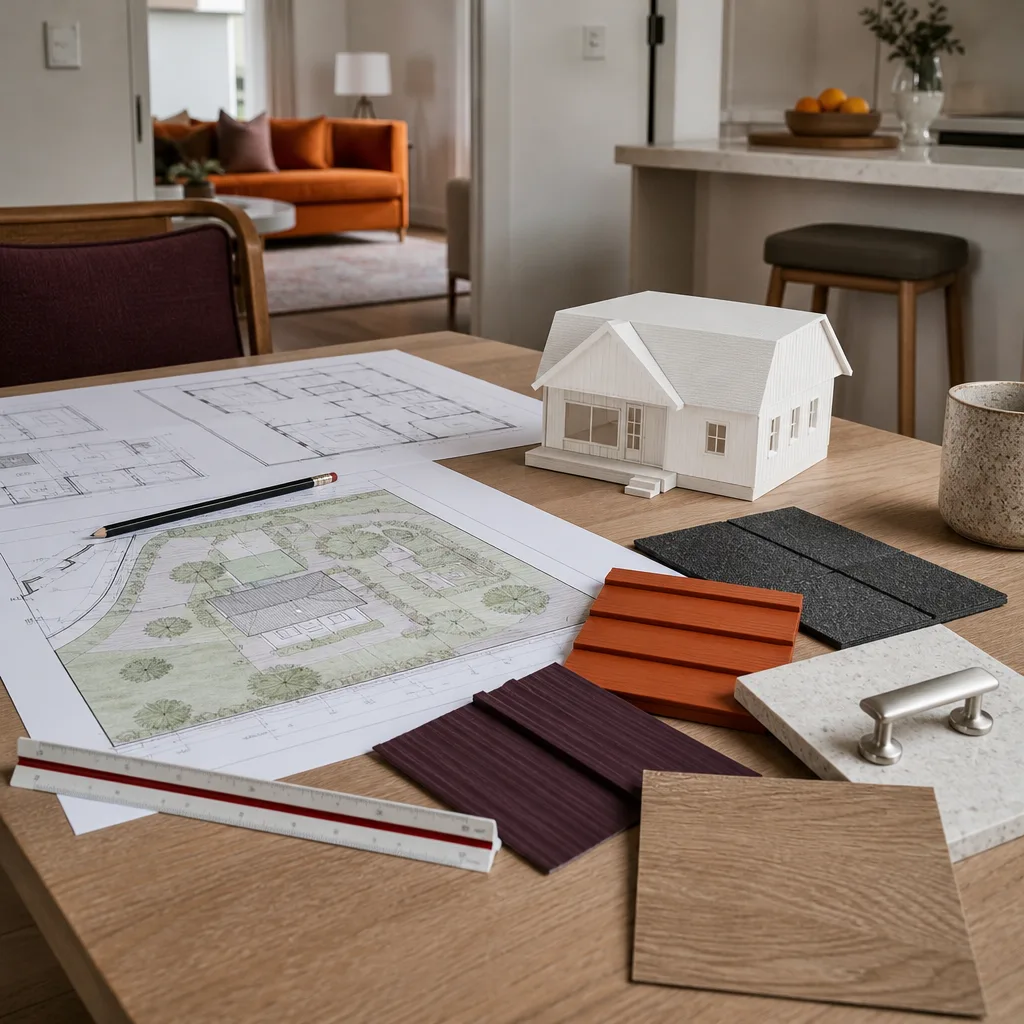
Site prep and utility work is not a DIY project, and anyone who tells you otherwise hasn’t pulled a utility trench permit in Ventura County. This work involves gas lines, electrical feeds, sewer laterals, and equipment that can kill you or your neighbor if something’s wrong underground. Even the “simple” parts, like calling 811 for utility marking, only get you a map. Digging near a marked gas line still requires hand-shoveling within 18 inches of the mark, and even then you’re one careless swing from a very bad afternoon.
What an owner can safely do: walk the lot, verify where the stubs need to land using your factory drawings, and call (831) 230-7250 to get someone who’s trenched a hundred Ventura lots onto yours. Russ Delmar has spent enough hours in front of the City of Ventura’s building counter to know which inspector wants the soil report in triplicate and which one just wants to see compaction test results. That kind of local knowledge saves weeks on the back end.
FAQs
A properly engineered pad and utility trench in Ventura should last 50 years or more, but the real-world answer depends on drainage, soil movement, and whether the original installer cut corners on compaction. The utility connections themselves, if done with quality materials and proper bedding, outlast the unit’s mechanical systems. Ventura’s freeze-thaw cycles aren’t severe, so the main threats are water and clay expansion.
Call (831) 230-7250 and we’ll assess your specific site and tell you what you’re working with.
Sometimes, yes. Water line and sewer line repairs can often be done by trenching alongside the pad and re-routing connections, avoiding any crane work. But if the pad itself is failing, the unit usually has to be lifted, and that’s a six-figure problem once the crane, transport, and factory coordination are factored in. The earlier you catch the signs, the cheaper the fix. Call us for an honest diagnosis.
Physical site work usually takes 2 to 4 weeks once permits are issued. The permit process in Ventura adds 4 to 12 weeks depending on plan check load at the city, and utility company hookup scheduling can add another 2 to 4 weeks after inspection approval. We lay out the full timeline in writing before any work begins so you’re not guessing.
We keep standard Plant Prefab-compatible connectors, schedule 40 conduit, PEX fittings, and ABS waste components on our Ventura trucks, and we can source anything Plant Prefab-specific from their spec sheets within a day or two. We also work with Abodu, Cover, and Dvele units, so if you’ve got a different prefab brand on the lot, we can usually keep it moving too. Call (831) 230-7250 and tell us what you’re connecting.
Get Your Site Prep Right the First Time
If you own a Plant Prefab unit and the site work’s not holding up, or if you’re about to break ground and want the utilities done right, call us. We’ll give you a written line-item price before anything happens, show up when we say we will, and leave your Ventura lot cleaner than we found it. The 365-Day Done Right Promise is in writing on every job. Call (831) 230-7250 to schedule your free site assessment and quote.
Written by Russ Delmar, Owner, Lodgewick ADU Ventura at Lodgewick ADU Ventura, serving Ventura and nearby areas.