Dvele Site Prep & Utilities: The Ventura Owner’s Guide
Dvele site prep and utility work in Ventura typically runs $35,000 to $85,000 depending on lot slope, trenching distance, and what the local utility district requires for the meter and service upgrade. We handle this start to finish, and most site prep phases take two to six weeks once permits clear. Homeowners usually find us right after their Dvele delivery date gets scheduled and they realize the factory build doesn’t include the ground it sits on: grading, foundation pads, sewer laterals, water lines, gas service, electrical trenching, and the underground conduit Dvele’s panels expect to land in.
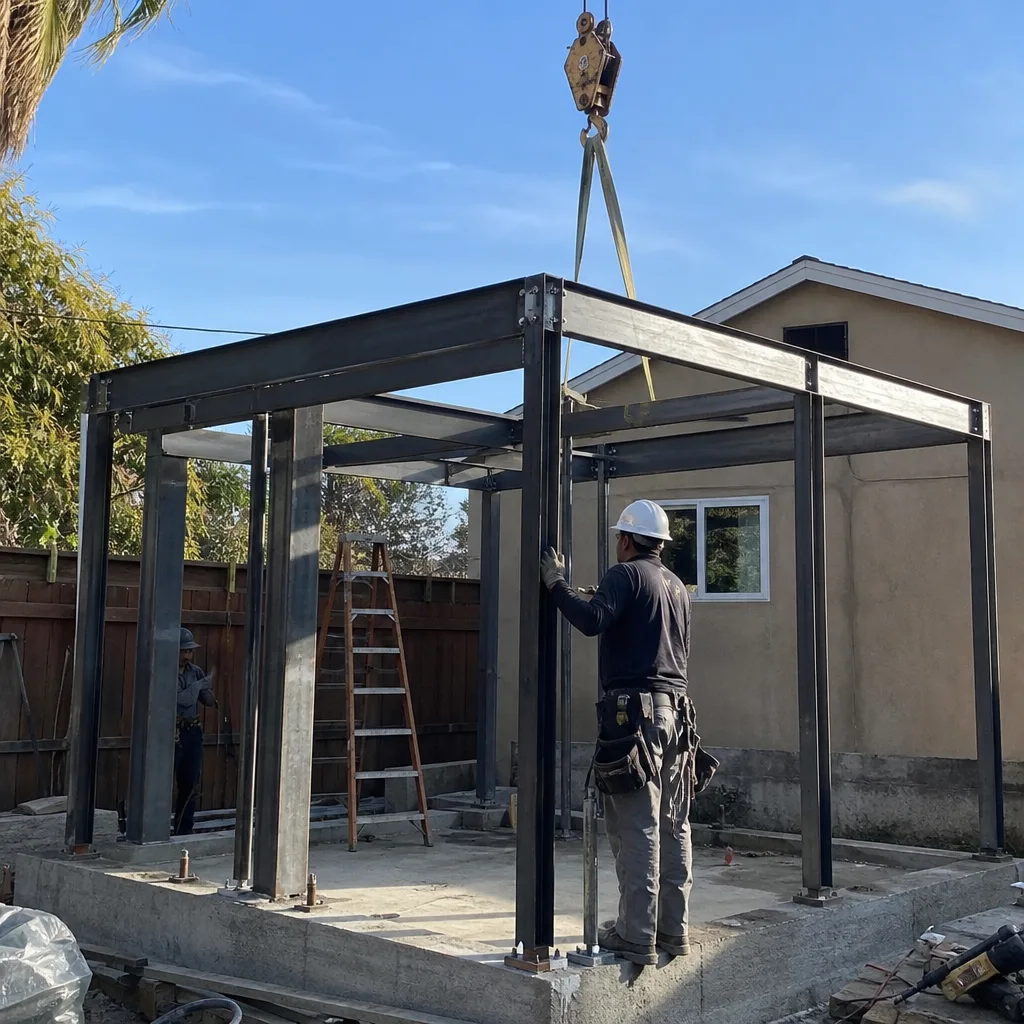
Which Dvele Models This Applies To
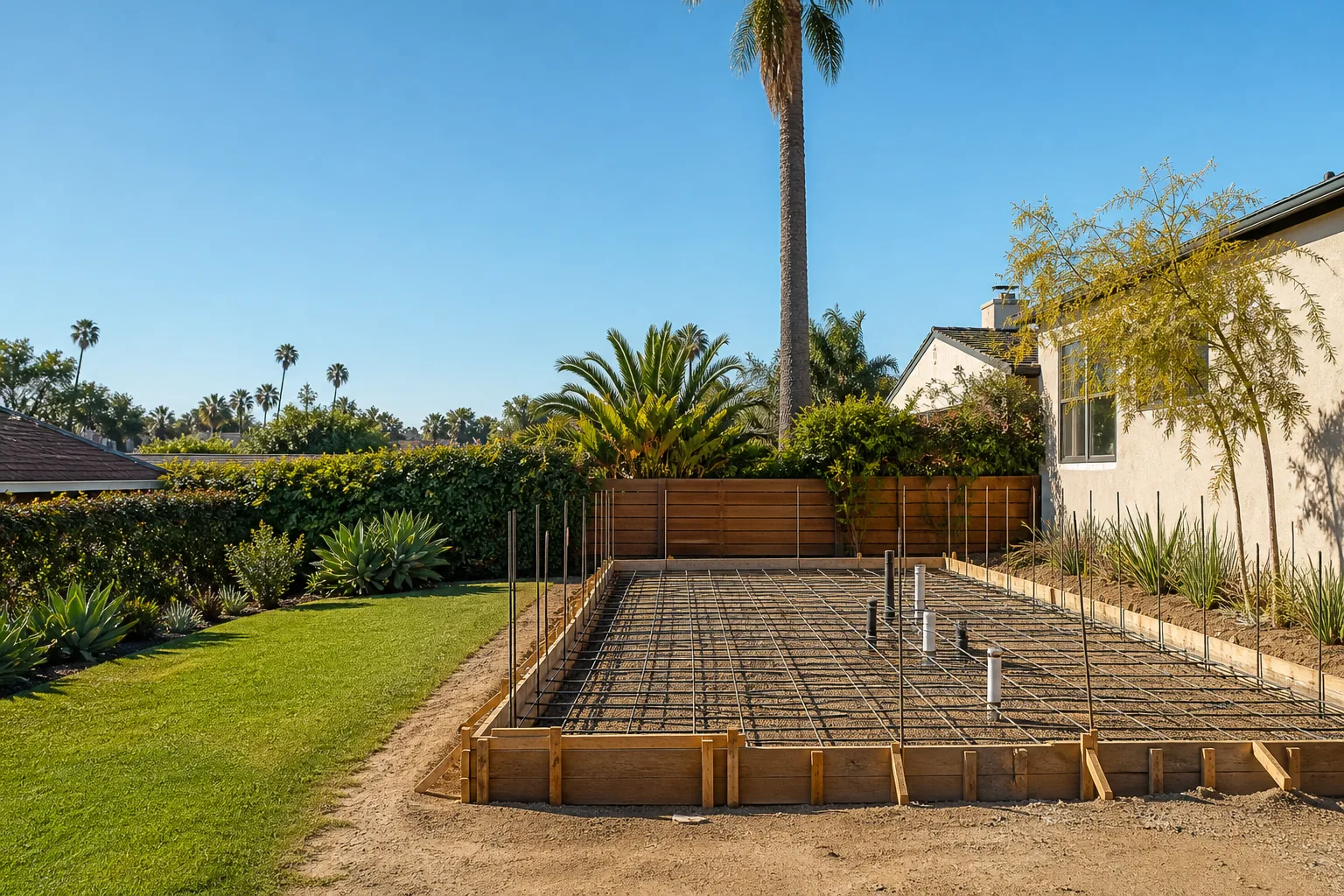
Every Dvele unit, from the one-bedroom Studio series up to the larger multi-bedroom floor plans, needs the same site-side foundation work: a perimeter concrete footing system, underground utility stubs that match Dvele’s connection points, and a level gravel base for crane placement. Where compatibility gets tricky is the panel-side rough-in. Dvele’s electrical system is designed for a 200-amp service to the wall, and their plumbing manifold expects 1-inch PEX supply lines staged at the foundation. If your existing main panel is 100-amp or your water main comes in at 3/4-inch, the utility side has to be upgraded before delivery, or the Dvele crew can’t make the final connections. We match OEM-spec underground conduit sweeps and stub-out heights to the site drawings Dvele provides with each unit, and we stock quality aftermarket equivalents for the standard runs where it cuts cost without cutting life expectancy. You’ll know what you have by the site-specific drawings Dvele sends after your deposit: the foundation detail sheet lists exact stub locations, and that’s the sheet we build to.
Signs Your Dvele Site Prep & Utilities Is Failing
- Water pressure drops inside the unit when a second fixture runs. This usually means the supply line was undersized for the manifold Dvele uses, and the trunk feeding the unit needs to go up a size. We see this on stubbed-in jobs where a 3/4-inch main was left in place from an old garage.
- Breakers trip when the heat pump and dryer run together. The Dvele unit wants a true 200-amp service, and an undersized feed from the main panel will make the subpanel run hot and nuisance-trip. This isn’t a panel problem, it’s a utility feed problem.
- Water pools at the foundation edge after rain. Ventura’s winter rains expose grading mistakes fast. If the pad wasn’t graded to shed water away from the footing, you’ll get ponding against the perimeter and eventually spalling concrete.
- Foul odor near the unit after you’ve been running water. That’s a sewer lateral with either a belly, a low slope, or a connection that wasn’t glued clean at the stub. It’s common on rushed tie-ins to old clay laterals.
- Concrete at the panel anchor points is chipping or cracking. Dvele’s panels bolt to embedded anchors at set intervals, and if the pad was poured out of spec, the anchors work loose over the first few seasons and spall the concrete around them.
Replacement Cost & What’s Included
In Ventura, a full site prep package on a flat midtown lot runs $35,000 to $55,000 when the existing utilities are close and the service upgrade is straightforward. On hillside lots in the College area or near Arroyo Verde, or a lot where the sewer lateral has to run 80 feet to the street, expect $60,000 to $85,000. The range is driven by three things: trenching distance and soil type, which utility district serves your address and what they charge for the meter upgrade, and whether your existing main panel needs a service change before the Dvele subpanel can be fed. Every quote we write includes the parts, the labor, the trenching, the backfill, the concrete, and the permit we pull with the City of Ventura. You’ll get a written price before we dig anything, and if the scope changes, you sign a change order before that cost is added. The Kingswell Guarantee applies here the same as any build: 365 days, written down, and we come back free if something fails within that window.
DIY or Call Us?
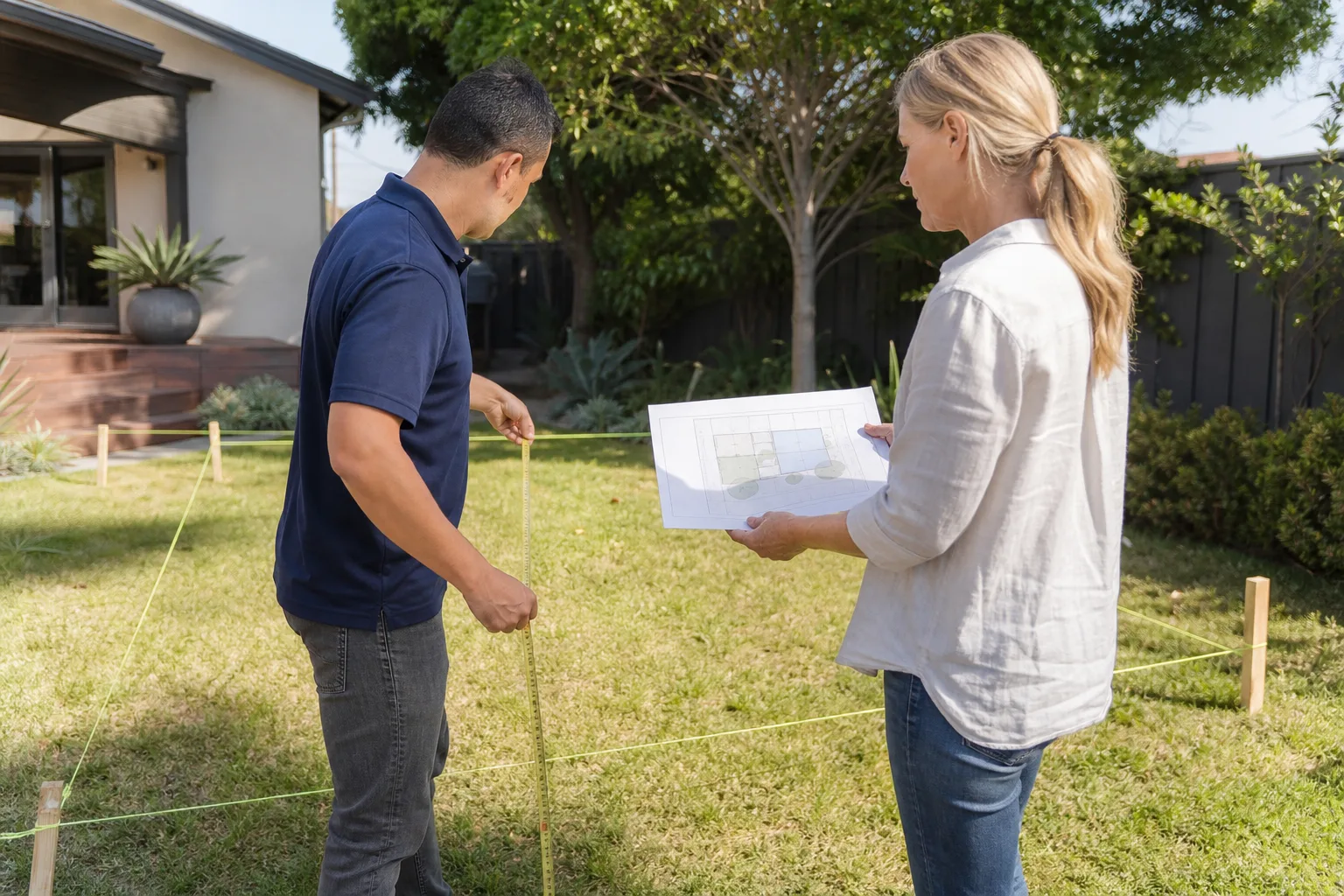
Site prep isn’t a weekend DIY job. Trenching for electrical conduit and gas service in Ventura means calling in an Underground Service Alert ticket, digging to the city’s required depth (24 to 36 inches for gas, 18 to 24 for electrical conduit depending on cover), and getting an inspector out before backfill. Gas line work on the utility side is genuinely dangerous: a botched compression fitting under your driveway leaks slowly and finds an ignition source eventually. What you can do safely before we arrive: walk the lot and mark where you want the Dvele unit placed, check your existing service panel amperage on the main breaker, and snap photos of any obstructions like trees, retaining walls, or old concrete. Beyond that, call us. Russ Delmar has spent years on Ventura lots with tricky slabs and steeper grades than they look on a plot map, and the crew knows which inspectors want to see what before they’ll sign off. Call (831) 230-7250 and we’ll give you a straight answer on your lot.
FAQs
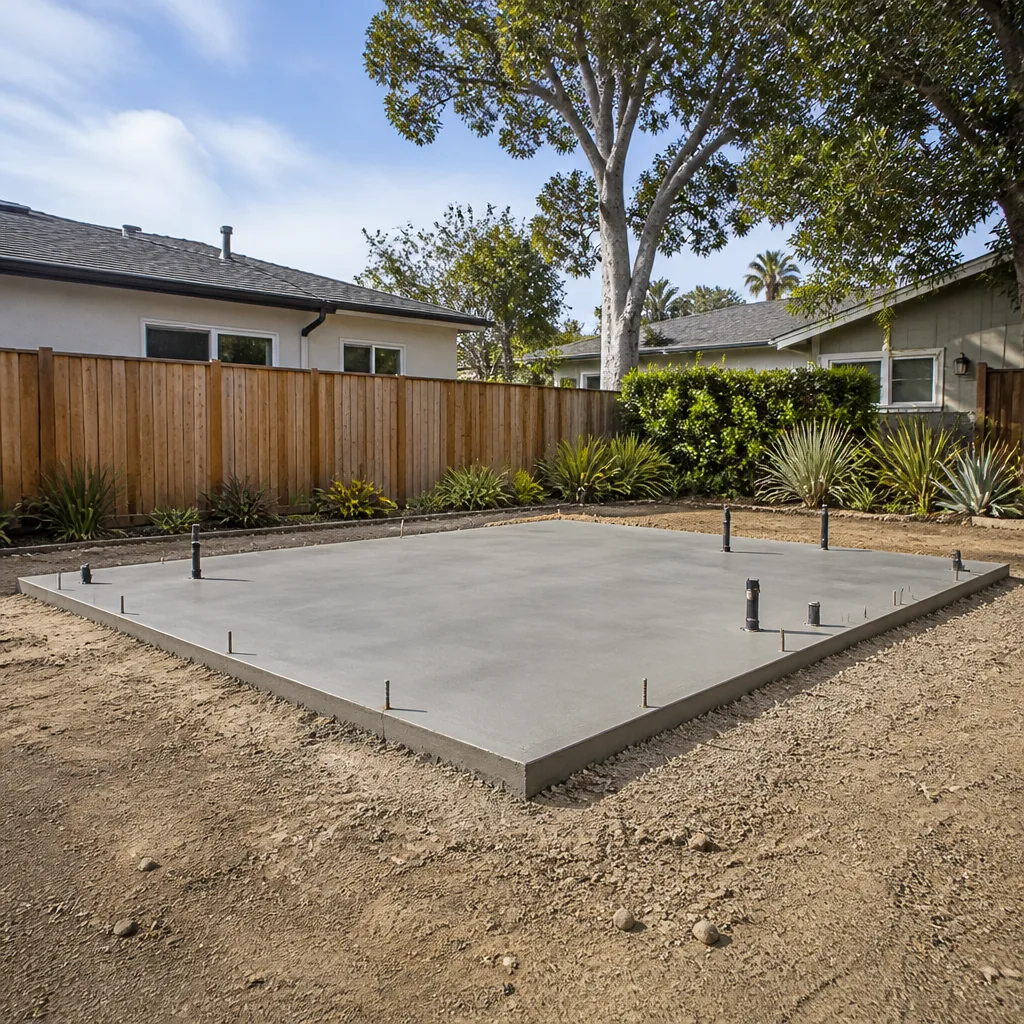
Done correctly, the underground utility work we install should last 40-plus years. The weak points are the same as any build: connection fittings at the stub, conduit sweeps at the foundation, and the concrete pad itself. In Ventura’s coastal soil, the main lifespan threats are moisture against the footing edge and root intrusion from nearby mature trees. The Kingswell Guarantee covers everything for 365 days after we finish.
Usually, yes. If the pad is sound and only the electrical feed is undersized, we’ll trench and upgrade that run alone. The same goes for a sewer lateral with a belly, or a water main that needs upsizing. We only redig what needs redigging, and the scope is in writing before we start.
Flat lots with straightforward utility access are typically done in two weeks: excavate, set forms, pour, trench, stub, inspect, backfill. Hillside lots in Ventura with retaining wall needs or longer utility runs run four to six weeks. Weather in winter can push concrete pours by a few days at a time.
We keep the common materials on hand: 200-amp subpanel feeds, 1-inch PEX supply line, Schedule 40 conduit sweeps, and anchor hardware for Dvele’s panel mounting points. We also carry parts compatible with Abodu and Cover builds since many Ventura homeowners weigh those alongside Dvele. Odd-size components get ordered with the permit, so there’s no delay at trench time.
Tell me what you need the space to do, and I’ll tell you what it actually costs to get there. Call (831) 230-7250 for a written estimate on your Dvele site prep in Ventura, and we’ll come out and take a look at the lot, no pressure.
Written by Russ Delmar, Owner, Lodgewick ADU Ventura at Lodgewick ADU Ventura, serving Ventura and nearby areas.